
The Rise of Student Pet Ownership at Michigan
How campus companions are shaping student life and wellbeing
—By Lauren Thompson
When Kendall Mosher comes home from a long day on campus, her cat Mazzy is already waiting by the door. The small tuxedo cat twirls around her legs and meows until she scoops him up. After spending nine hours in classes, study sessions, and meetings, Kendall says this quiet ritual is the best part of her day.
“I adopted Mazzy when he was two months old, right after I graduated in 2023,” she says. “He helps me cope with stress and just makes me feel better. He loves to cuddle and makes me smile.”
For Kendall, who recently returned to the University of Michigan to start her master’s program, Mazzy isn’t just a pet, he’s a source of stability and comfort amid a demanding schedule. But she’s far from alone, in recent years more students across Ann Arbor have turned to pets like Mazzy for companionship, stress relief, and emotional grounding during college life.
A growing trend on campus
From dorm room goldfish to off-campus rescue dogs and cats, pet ownership among students has quietly become more common. Many young adults, especially after the pandemic, began craving the kind of companionship that pets uniquely provide.
“Honestly, I think COVID pushed a lot of people to get pets,” says Sarah Thompson, a University of Michigan alum who grew up around animals but decided against adopting one while in school. “There was so much time spent alone during lockdown that people really wanted comfort and connection. Nowadays, the stress of the current climate may encourage students to get pets for emotional support.”
Kendall’s experience reflects a broader pattern seen beyond Ann Arbor. Nationally, animal shelters reported a spike in adoptions between 2020 and 2022, particularly among young adults. Research supports what many students like Kendall and Sarah have noticed firsthand. According to the Australian Cattle Dog Rescue Association, dogs bring a positive emotional boost, reduce anxiety, and help alleviate depression, making them valuable companions for college students facing academic pressures.
At Michigan, this shift is visible both in off campus apartments and on social media, where student accounts featuring cats, dogs, and even rabbits have grown rapidly. What used to be a rare sight of a dog walking through the Diag or a cat peeking out of a window has now become a part of everyday campus life.
Comfort and companionship
For students like Kendall, pets are more than cute additions to their apartments, they’re emotional anchors in an often chaotic environment. “Having a cat is definitely not as big of a daily adjustment as having a dog,” she says. “But I still have to make sure he has food, water, and attention before I go to class. It’s a responsibility, but it’s worth it.”
Kendall explains that being away from home can make students feel isolated. Between early classes, part-time jobs, and academic stress, loneliness can quietly set in. For her, Mazzy provides both routines and relief. “He keeps me company when I’m studying or just hanging out,” she says. “He’s part of my day. I can’t imagine life without him.”
This emotional connection is supported by research. A study from the Applied Developmental Science, found that college students with pets reported greater social support and fewer symptoms of anxiety and depression. Similarly, a study from International Public Health Journal found that pet ownership helped university students better regulate stress levels and form emotional stability through caregiving routines.
Taylor Pahl, LMSW, a licensed clinical social worker and specialist at the Einsenberg Family Depression Center, sees these benefits firsthand. “I’ve worked with students who have really benefitted from having a pet while they’re in college,” she says. “It gives them something to care for outside of themselves and can be incredibly grounding.”
According to Pahl, pets can help students establish structure in their lives. “For students managing anxiety or depression, the act of caring for a pet can build a routine,” she explains. “Their symptoms might not go away, but many find comfort and motivation in knowing their pet relies on them.”
The psychology behind it
Pahl says there’s a specific reason for why pets have such a powerful emotional effect. “Science tells us when we care for animals, our brains release oxytocin, the “love hormone” which helps us feel calm and connected,” she explains. “For students who are far from home, that bond can be a natural stress reliever.”
This finding echoes results from a study in Barker et al. (2025) Applied Developmental Science, which discovered that pet ownership correlates with lower anxiety and greater emotional resilience among undergraduates. The study notes that simple acts like feeding or grooming a pet can promote emotional regulation and lower cortisol, the body’s primary stress hormone.
Still, Pahl cautions that the comfort pets provide doesn’t erase the real challenges that come with owning one. “A pet is a big responsibility,” she says. “It takes time, energy, and money, all things college students don’t have much of.”
Balancing care with commitment
For students living on tight budgets or in small apartments, the realities of pet ownership can be complicated. Food, vet visits, pet sitting, and moving logistics can quickly add up.
“I think some students underestimate the time and resources it takes for pets to have proper enrichment,” Thompson says. “It’s rough when you have a long day or unexpectedly need to be gone. The stress can creep up on both the owner and the pet.”
She notes that many college schedules don’t always align with a pet’s needs. “Moving apartments frequently can also place stress on animals,” she says. “It’s important to think long-term, what happens when you graduate or move to a new city?”
Even Kendall admits balancing her school life and Mazzy’s care takes effort. “Three days a week, I’m on campus from 9 a.m. to 9:30 p.m.,” she says. “I feel guilty leaving him alone for that long, but my roommates help by checking in and playing with him. We’ve made it work as a shared routine,” she says.
Despite these challenges, Kendall wouldn’t change a thing. “He’s helped me feel more comfortable, less lonely, it’s totally worth the tradeoff.”
A shift in student priorities
Experts suggest that the growing number of student pet owners reflects a deeper shift in how young adults approach mental health and self-care. Pahl says more students are recognizing emotional well-being as part of their everyday routines, not just something to think about in crisis. “It’s not for everyone, but for those who can manage it responsibly, the benefits can be profound.”
Many students echo this feeling. Where previous generations may have seen pets as something to adopt after graduation, many of today’s students view them as part of their support system during college.
“Having a pet helps me take care of myself,” Kendall says. “When I make sure Mazzy’s okay, I also make sure I’m okay.”
Thinking before adopting
For students who haven’t yet made the leap, Pahl urges careful consideration. “Look at your lifestyle right now,” she advises. “Do you have time for a pet? Can you afford it? Will you have to move soon? Be realistic about your capacity.”
She also encourages students to explore alternatives to adopting: volunteering at animal shelters, fostering short-term, or visiting animal therapy events on campus. “At Michigan, there are plenty of ways to get the benefits of animal interaction without the long-term commitment,” she notes.
In Ann Arbor, one option is Tiny Lions Lounge & Adoption Center — a cozy cat café operated by the Humane Society of Huron Valley. Students can relax, study, or volunteer while spending time with adoptable cats, combining stress relief with community support.
Still, for those who are ready and able to handle the responsibilities, she says pets can provide real emotional payoff. “It’s not just about comfort, it’s about connection and growth. Caring for something outside yourself can be a powerful experience.”
The meaning of companionship
As Ann Arbor’s student population continues to evolve, so do their definitions of balance, care, and wellbeing. For many, the decision to adopt a pet reflects more than a passing trend, it’s a statement about the kind of adulthood they’re building.
“I think people my age are realizing it’s okay to create routines that make you happy,” Kendall says. “He keeps me grounded when school gets stressful. He’s family now.”
As Mazzy curls up on her lap while she studies, it’s clear that for students like Kendall, these small moments of companionship are shaping more than their routines, they’re shaping what feels like home during college.
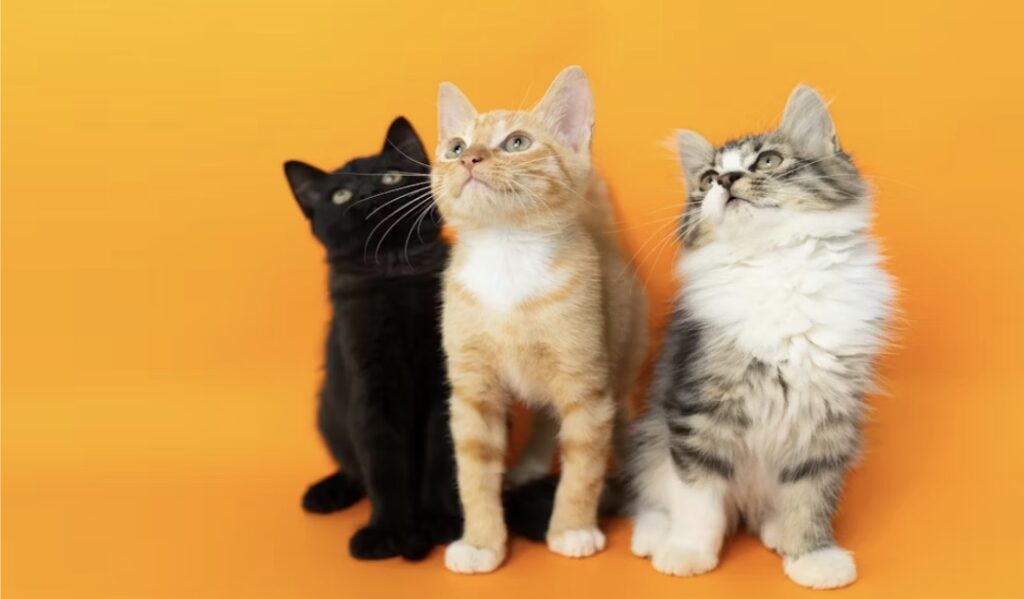
Feature Photo: Kittens, by Andy Quezada on Unsplash